
A huge crowd gathered in Islamabad on Saturday to pay their respects and lay to rest worshippers killed in a powerful suicide bombing at a Shia mosque the previous day. Officials confirmed that at least 32 people lost their lives and around 170 others were injured when the explosion struck during Friday prayers at the Khadija Tul Kubra mosque in the Tarlai Kalan area on the city’s outskirts, making it one of the deadliest attacks seen in the capital in years.
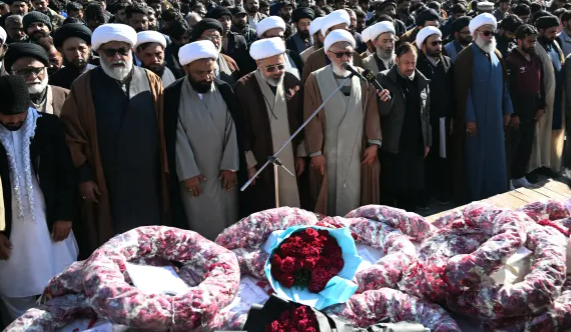
Grief-stricken families, friends and residents assembled under heavy security as funeral rites were conducted for the victims. Police and special forces maintained a strong presence around the scene to ensure order as the mourning continued into the weekend.
The militant group Islamic State (ISIL) claimed responsibility for the assault through its online channels, identifying the attacker as having engaged security guards before detonating his explosive vest among the congregants.
In the aftermath, Pakistani authorities intensified their counter-terror operations. Security forces conducted several raids in northern regions of the country, leading to the arrest of multiple individuals believed to have assisted the bomber, including suspects described as facilitators.
Political leaders condemned the violence, expressing sorrow over the loss of life and promising that those responsible would be brought to justice. The tragedy has revived concerns about the ongoing threat of extremist attacks in Pakistan, especially against minority communities.
While Islamabad is normally tightly secured and relatively free from such incidents, this explosion recalls earlier major attacks and highlights deep challenges in combating militancy. The nation now grapples with both grief and a renewed determination to prevent further violence.